
In South Africa, pop-up shops have emerged as a vibrant, cost-effective way for entrepreneurs to test markets, engage customers, and build brand awareness without the commitment of a permanent storefront. Using rent-to-own shipping containers as pop-up shops is particularly popular due to their affordability, mobility, and durability. With South Africa’s retail sector contributing 14% to GDP in 2023 and township economies thriving, shipping container pop-ups offer a unique opportunity for small businesses, from spaza shops to boutique cafes.
Understanding Pop-Up Shops in South Africa
A pop-up shop is a retail space designed to create excitement, test products, or capitalise on seasonal trends. In South Africa, pop-ups are common in urban centers like Cape Town, Johannesburg, and Durban, as well as township markets and festivals. They range from fashion boutiques at the V&A Waterfront to food stalls in Maboneng Precinct. According to PopUp Shop Shop, pop-ups in South Africa’s shopping malls and retail districts thrive on high foot traffic, offering brands exposure to diverse audiences.
Benefits of Pop-Up Shops
- Low Commitment: Short-term leases avoid the high costs of traditional retail, which can exceed R200 per square meter monthly in prime locations like Sandton City.
- Flexibility: Pop-ups can be set up at events, markets, or high-traffic areas, such as Durban’s Greyville or Johannesburg’s Rosebank Sunday Market.
- Customer Engagement: They create unique, memorable experiences, as seen with Design Indaba’s Pop Shop at the V&A Waterfront, which showcased local artisan products without charging exhibitors rent.
Why Rent-to-Own Shipping Containers?
Shipping containers are a popular choice for pop-up shops in South Africa due to their versatility and cost-effectiveness. Companies like Rental King offer 6m and 12m storage containers at prices starting around R850 per month, significantly less than traditional retail spaces. Containers are durable, weather-resistant, and easily modified, making them ideal for South Africa’s varied climates and mobile business needs.
Advantages of Containers
- Mobility: Containers can be transported to events like festivals or markets, as demonstrated by The Freedom Café in Durban, a shipping container restaurant with glass windows and vibrant branding.
- Security: Steel-framed containers with lockable doors, like those from Rental King with 4-lever mortice locks, ensure merchandise safety.
- Customisation: Containers can be fitted with windows, insulation, and counters, suitable for businesses like spaza shops or coffee outlets.
Step-by-Step Guide to Starting Your Pop-Up Shop
- Plan Your Business and Budget
Define your pop-up’s purpose: product testing, brand promotion, or seasonal sales. Identify your target market, such as township consumers for a spaza shop or tourists for a craft store in Cape Town. Budget for container rental (R2,500–R5,000/month), transport (R1,500–R3,000 per trip), and modifications (R10,000–R50,000 for basic fittings like windows and shelving). Include marketing costs, as pop-ups require significant upfront promotion to attract foot traffic.
- Choose the Right Container
Select a container size based on your needs: 6m (20ft) for compact setups like a coffee shop, or 12m (40ft) for larger retail like a clothing boutique. Ensure the container is wind- and watertight, as South Africa’s weather can be harsh, especially in coastal areas like Durban.
- Customise the Container
Modify the container to suit your business. For a spaza shop, install a steel combi door and shelving for everyday goods. For a cafe, add ventilation, a serving window, and insulation to protect equipment, as seen in township barbershops with modern interiors. Work with suppliers like Rental King for modifications, ensuring compliance with safety standards. Costs vary, but basic conversions start at R15,000.
- Secure a Location
Choose a high-traffic location, such as shopping malls (e.g., Menlyn Park in Pretoria), township markets, or events like the Cape Town International Jazz Festival. Contact realtors or use platforms like PopUp Shop to find short-term rental spaces. Secure necessary permits, as local bylaws in South African cities require approval for temporary structures. Review lease agreements carefully to clarify terms on modifications and operating hours.
- Obtain Permits and Ensure Compliance
South African municipalities, like eThekwini or City of Cape Town, require permits for pop-up shops, especially for food businesses needing health certifications. Ensure electrical and plumbing installations meet SANS 10142-1 standards for wiring. Consult a professional to verify compliance with fire and safety regulations, particularly for outdoor setups.
- Market Your Pop-Up
Leverage social media and local networks to promote your shop. Collaborate with nearby businesses, as suggested by Shopify, to amplify word-of-mouth marketing. For example, a pop-up in Johannesburg’s Maboneng Precinct can benefit from social media shoutouts by local cafes. Use vibrant exterior branding. Offer promotions, like discounts at opening, to draw crowds.
- Set Up and Operate
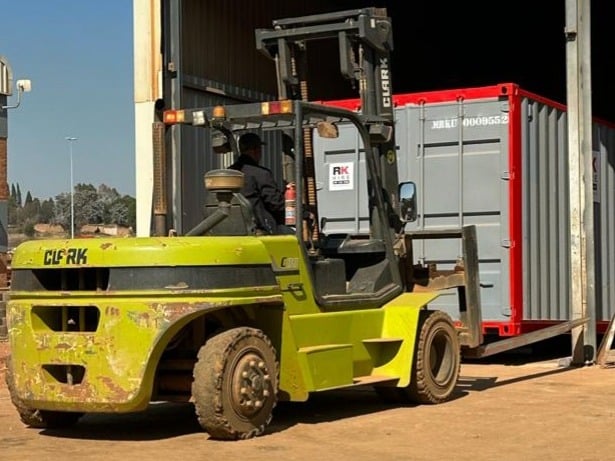
Transport the container to your site, either outsourcing delivery (R1,500–R3,000) or using a flatbed truck. Install shelving, lighting, and a point-of-sale system, like Shopify’s Tap to Pay on iPhone, to streamline transactions without costly hardware. Operate for 2–6 months to maximise profitability while offsetting setup costs.
- Evaluate and Scale
Track sales, customer feedback, and foot traffic to assess success. Use data to decide whether to extend the pop-up, relocate, or transition to a permanent setup.
South African Applications
- Spaza Shops: Containers are widely used in townships for spaza shops selling daily essentials. Their mobility allows owners to relocate to high-demand areas, boosting income.
- Food and Beverage: Pop-ups like The Freedom Café in Durban use containers for trendy cafes, offering unique dining experiences.
- Retail and Crafts: Containers host boutique clothing stores or artisan markets, like Pop Shop at V&A Waterfront, capitalizing on tourist traffic.
- Event-Based Shops: Containers are ideal for festivals or markets, such as Soweto’s food stalls, providing secure, portable retail spaces.
Starting a pop-up shop using a rent-to-own shipping container in South Africa is a strategic, low-cost way to enter the retail market. With containers costing a fraction of traditional leases and offering mobility and security, they suit diverse businesses, from township spaza shops to urban cafes.
By planning carefully, securing permits, and leveraging high-traffic locations, entrepreneurs can create engaging, profitable pop-ups. South Africa’s vibrant retail scene makes this an ideal time to launch a container-based pop-up, driving innovation and economic growth.